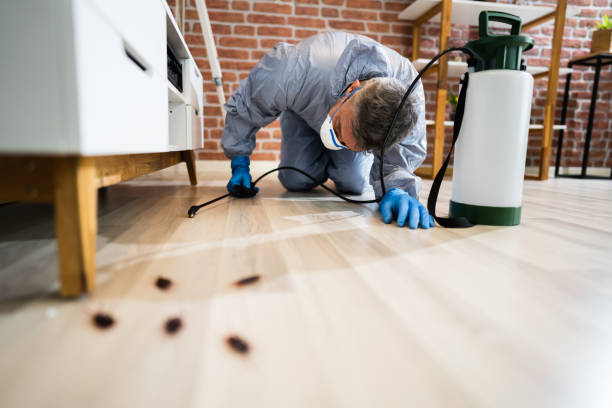
Flies can be a pervasive nuisance, both at home and in commercial settings. They are not only irritating but can also pose serious health risks by transmitting diseases. Implementing effective fly control measures is essential for maintaining a clean and safe environment. Below are four expert tips to help you manage and prevent fly infestations effectively.
1. Maintain Cleanliness
Cleanliness is the cornerstone of any pest prevention strategy. Flies are attracted to food residues, garbage, and organic waste, so ensuring your space is clean can significantly minimize their presence.
- Keep food preparation areas free of crumbs, spills, and grease buildup.
- Dispose of trash regularly in sealed containers.
- Avoid leaving pet food exposed for extended periods.
- Clean drains frequently to remove organic buildup that could attract flies.
A regular cleaning schedule ensures that flies have fewer opportunities to breed or feed in your space.
2. Use Physical Barriers
Physical barriers can prevent flies from entering your home or business while allowing for ventilation and light. These methods are especially useful during peak fly season when activity increases.
Some effective options include:
– Installing fine-mesh screens on windows and doors. – Using door sweeps to seal gaps beneath doors. – Installing air curtains in commercial spaces with high traffic.
By limiting access points, you can significantly reduce fly invasions.
3. Deploy Traps Strategically
Traps are an effective way to control existing fly populations indoors or outdoors. Selecting the right type of trap will depend on the size of the infestation and the specific species of flies present.
Common types of traps include:
| Trap Type | Description | Best For | |—————-|————————————————-|—————————–| | Sticky Traps | Adhesive surfaces that capture flies on contact.| Indoor spaces (low volume). | | UV Light Traps | Attracts flies using ultraviolet light; traps them with glue boards or electric grids.| Restaurants, warehouses. | | Bait Traps | Lures flies with attractants like sugar water; traps them inside.| Outdoor use, large areas.|
Position these traps near entry points or areas where flies congregate for maximum effectiveness.
4. Address Breeding Sites
Preventing breeding is essential to eliminating a persistent fly problem. Flies lay their eggs near decaying organic matter — identifying and cleaning these sites disrupts their lifecycle.
Steps to reduce breeding sites: – Regularly clean compost bins and ensure they are tightly covered. – Remove rotting fruits, vegetables, or yard waste promptly. – Repair leaks that cause moisture buildup around garbage bins or drains.
By targeting breeding grounds directly, you can curb future infestations before they start.
Key Takeaways from Hiring an Exterminator Deltona FL
Implementing proactive measures such as maintaining cleanliness, using physical barriers, deploying appropriate traps, and addressing breeding sites will ensure long-term success in controlling flies within your home or business setting.
Effective Solutions from a Trusted Deltona FL Pest Control Company
Effective pest management involves more than just addressing visible infestations. To ensure long-term results, it’s essential to adopt an integrated approach that combines prevention, monitoring, and control. This strategy not only minimizes the impact of pests but also reduces reliance on chemical treatments, promoting sustainability and safety.
What is Integrated Pest Management (IPM)?
- Prevention: Proactively addressing conditions that attract pests.
- Monitoring: Regularly inspecting areas for signs of pest activity.
- Control Methods: Implementing targeted strategies to manage infestations with minimal disruption.
The IPM approach is widely applicable across various settings, including homes, businesses, farms, and public spaces.
Core Components of Integrated Pest Management
- Conduct routine inspections to identify pest entry points or breeding grounds.
- Use tools such as traps or visual assessments to track infestation levels.
- Keep detailed records of findings for future planning.
- Properly identify the type of pest before implementing control measures.
- Misidentification can lead to ineffective treatment or worsening problems.
- Seal cracks and gaps in walls, windows, and doors.
- Store food in airtight containers and maintain proper waste disposal practices.
- Eliminate standing water to deter mosquitoes or other insects dependent on moisture.
- Control Strategies Control measures should be implemented based on severity:
| Control Method | Examples |
| Biological | Introducing natural predators (e.g., ladybugs for aphids). |
| Mechanical | Using traps or physical barriers like screens. |
| Chemical | Applying pesticides selectively when necessary. |
- Assess the effectiveness of the implemented strategies over time.
- Adjust methods as needed based on ongoing monitoring results.
Benefits of Using an IPM Approach
- Cost-Effectiveness: Reduces long-term costs by focusing on prevention rather than reactive treatments.
- Environmental Protection: Minimizes the use of harmful chemicals that can contaminate soil or water sources.
- Health Safety: Lowers exposure risks associated with traditional pesticide use.
Practical Tips for Implementing IPM at Home or Work
- Schedule regular cleaning routines to remove potential food sources for pests.
- Educate household members or employees about best practices for maintaining a pest-free environment.
- Work with licensed professionals when complex infestations require advanced solutions.
By adopting integrated approaches tailored to specific needs, you can create healthier spaces while avoiding unnecessary harm to ecosystems or human health.
Effective Pest Removal Deltona FL: Strategies for Tackling Fly Infestations
Fly infestations can disrupt day-to-day activities, whether in a residential or commercial setting. These pests are not only a nuisance, but they can also pose significant health risks by contaminating food and surfaces. Addressing fly infestations effectively requires a combination of proactive measures and targeted interventions. Below are expert strategies to help identify, manage, and prevent fly infestations, providing you with a cleaner and safer environment.
Identifying Common Fly Species
- Houseflies: The most common type found indoors; these thrive in decaying organic matter.
- Fruit Flies: Attracted to overripe fruits, sugary liquids, and fermenting substances.
- Drain Flies: Found near moist areas like drains and sewer lines.
- Blow Flies: Typically associated with decaying meat or organic waste.
Proper identification enables targeted treatments that are efficient and specific to the problem.
Sanitation Practices for Controlling Flies
Maintaining cleanliness is critical when working to eliminate fly populations. Focusing on sanitation reduces breeding grounds and discourages flies from entering your space.
- Dispose of garbage regularly in tightly sealed bins.
- Rinse recyclables before storage to remove residue that may attract flies.
- Store food in airtight containers.
- Keep countertops clean and free of crumbs or spills.
- Use enzymatic cleaners to remove organic buildup from drains.
- Check for clogs or stagnant water that could serve as breeding sites.
Physical Barriers for Prevention
- Install mesh screens on windows and doors.
- Use self-closing doors or air curtains at entry points.
- Seal cracks, gaps, or holes around windows, doors, and walls where flies might enter.
Additionally, installing UV light traps or sticky traps can help reduce indoor fly populations without relying solely on chemical solutions.
Chemical Control Methods: When Necessary
| Method | Description | Application Best Practices |
| Insecticidal Sprays | Contact sprays designed for killing flies instantly | Apply directly to affected areas while keeping pets/children away temporarily |
| Baits | Attractant baits laced with insecticide | Place away from food preparation zones |
| Residual Insecticides | Long-lasting sprays applied on surfaces | Focus on fly resting areas like walls or ceilings |
Always read product labels carefully before use to ensure safety regulations are followed.
Ensuring Long-Term Fly Control
- Regularly inspect the premises for potential breeding spots.
- Educate staff (if applicable) about proper waste disposal methods in commercial settings.
- Monitor pest activity using traps or sticky strips as part of an integrated pest management plan.
By combining prevention strategies with informed interventions tailored to your specific needs, you can protect your space from harmful infestations while promoting health and hygiene standards efficiently over time.

Expert Tips for Effective Fly Control and Prevention in Your Home or Business
Flies can be a significant nuisance and a health hazard in both residential and commercial spaces. They carry diseases, contaminate food, and disrupt comfort. Implementing effective fly control measures is essential for maintaining hygiene and safeguarding your environment. Below are expert tips to help you manage and prevent fly infestations effectively.
1. Maintain Cleanliness
Cleanliness is the foundation of any successful fly prevention strategy. Flies are attracted to organic waste, food residues, and decaying matter. By maintaining a clean environment, you can significantly reduce their presence.
- Dispose of Waste Properly: Ensure garbage is sealed tightly in bins with lids.
- Clean Surfaces Regularly: Wipe counters, tables, and other surfaces to remove spills or food debris.
- Manage Food Storage: Store food in airtight containers to prevent contamination.
- Sanitize Drains: Flies often breed in drains; regular cleaning with appropriate products is crucial.
2. Eliminate Breeding Sites
Identifying and addressing potential breeding areas is critical for long-term control of flies.
| Common Breeding Sites | Prevention Measures |
| Trash Bins | Empty regularly and clean bins thoroughly. |
| Drains | Use enzyme-based drain cleaners to remove organic build-up. |
| Compost Piles | Keep compost covered or located away from buildings. |
| Animal Waste | Promptly clean up pet waste from yards or enclosures. |
3. Install Physical Barriers
Physical barriers can play an important role in preventing flies from entering your property.
- Fly Screens: Install fine-mesh screens on windows, doors, and vents.
- Air Curtains: Use air curtains at entryways in commercial establishments to block flies.
- Door Seals: Ensure doors have proper seals to block gaps where flies may enter.
4. Utilize Fly Control Products Strategically
Various tools are available for managing fly populations effectively when used responsibly.
- Fly Traps: Sticky traps or light traps can capture adult flies indoors.
- Insecticides: Use approved sprays or foggers as a last resort for severe infestations.
- Place basil plants or hang dried lavender as natural deterrents.
- Create homemade traps using vinegar and dish soap.
5. Educate Staff or Family Members
- Encourage proper waste disposal practices.
- Train staff on handling food safely within commercial kitchens.
- Regularly review hygiene protocols as part of routine maintenance procedures.
By adopting these proven tips, you can minimize the presence of flies while ensuring an environment that promotes health and safety for everyone involved. A proactive approach backed by regular monitoring will yield the best results over time.
How Peak Seasons Influence Pest Activity and What You Can Do About It
Pest activity tends to fluctuate throughout the year, with certain seasons experiencing higher infestations due to environmental factors like temperature, humidity, and food availability. Understanding how pests behave during peak seasons can help you prepare effectively and reduce the likelihood of infestations in your home or business. Below, we’ll explore seasonal pest trends and actionable strategies to mitigate their impact.
Seasonal Trends in Pest Activity
| Season | Common Pests | Key Drivers of Activity |
| Spring | Ants, termites, wasps | Warmer weather, increased rainfall |
| Summer | Mosquitoes, flies, ticks | High humidity and heat |
| Fall | Rodents, spiders | Cooling temperatures, food scarcity |
| Winter | Cockroaches, rodents | Seeking warmth indoors |
This predictable pattern highlights why it’s essential to adopt season-specific preventive measures.
Strategies for Managing Pest Activity During Peak Seasons
- Conduct regular inspections of your property to identify damage or entry points such as cracks in walls or gaps around doors/windows.
- Repair damaged screens and seal openings with caulk or weather stripping.
- Spring: Eliminate standing water sources (a breeding ground for mosquitoes) and trim back vegetation near structures.
- Summer: Store food securely in airtight containers; clean spills immediately to avoid attracting ants or flies.
- Fall/Winter: Declutter storage areas like basements or attics where rodents may nest during colder months.
- Invest in Professional Pest Control Services:
If you notice recurring pest issues despite preventive measures, consult a licensed pest control specialist familiar with seasonal patterns in your area.
Long-Term Proactive Measures
In addition to managing peak-season pest activity directly:
1. Implement Integrated Pest Management (IPM) Programs – These combine environmental controls (e.g., habitat modification) with targeted treatments while minimizing risks to health/environment.
2. Educate Staff/Family Members – Teach proper waste disposal methods & awareness around behaviors that inadvertently attract pests.
3. Monitor Trends – Keep track/trends using monitoring devices where routine sprays alone fail long term results.
- Effective Solutions for Household Pests with an Exterminator Deltona FL
- Effective Deltona Pest Control: 4 Expert Tips for Preventing Flies in Your Home or Business
- How Deltona Pest Control Can Improve Your Home’s Pest Prevention Practices
- Effective Deltona Pest Control Tips to Get Rid of House Fly Infestations
- Effective Deltona Pest Control Solutions and Why DIY Methods Fall Short
- Effective Solutions: When to Call Deltona Pest Control Services
- Effective Deltona Pest Control for Tackling Common Household Pests
- How to Prevent Bed Bugs With Help From an Exterminator Deltona FL