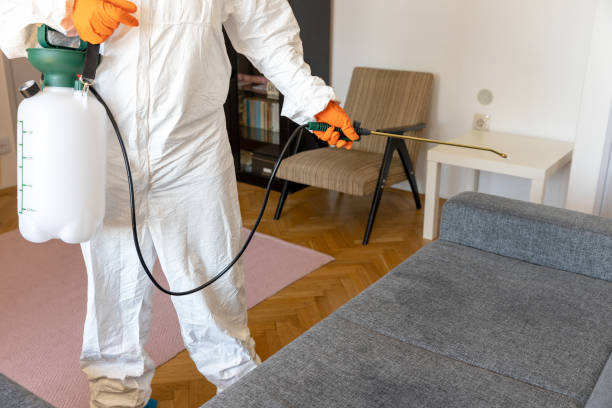
Effective pest prevention starts with adopting proper home practices that discourage pests from entering and thriving in your living space. By maintaining cleanliness, eliminating attractants, and addressing structural vulnerabilities, homeowners can significantly reduce the likelihood of infestations.
Importance of Cleanliness in Pest Prevention
- Regularly Dispose of Trash: Ensure garbage is stored in tightly sealed bins and emptied frequently.
- Clean Food Residues: Wipe down kitchen counters, dining tables, and stovetops after food preparation or consumption.
- Vacuum Regularly: Remove crumbs and debris from floors, carpets, and upholstered furniture where pests might find nourishment.
- Declutter Storage Areas: Organize basements, attics, and closets to eliminate hiding spots for pests such as spiders or rodents.
Food Storage Best Practices
| Practice | Benefit |
| Store dry goods in airtight containers | Prevents access by ants, moths, or rodents |
| Refrigerate perishable foods | Reduces odors that attract flies or cockroaches |
| Avoid leaving pet food out overnight | Eliminates a potential meal source for nocturnal pests like rodents |
Addressing Moisture Issues
- Fix any leaking pipes or faucets promptly.
- Use dehumidifiers in areas prone to excessive humidity.
- Ensure proper ventilation in bathrooms and kitchens to reduce condensation buildup.
Structural Maintenance as a Deterrent
- Replace damaged window screens to prevent flying insects from entering.
- Repair cracks in walls or foundation promptly.
- Install door sweeps on exterior doors to block gaps at ground level.
Behavioral Adjustments for Residents
- Avoid eating outside designated areas within the home to limit crumbs spread throughout the property.
- Always rinse recyclable containers before disposal—leftover residues attract cockroaches and other pests.
- Be mindful of how often fresh produce is left out on counters; overripe fruit can quickly become a magnet for flies.
By combining these practices into daily routines, homeowners can create an environment that is inherently resistant to pest infestations while fostering a healthier living space overall.
Effective Tips from an Exterminator Deltona FL to Seal Pest Entry Points
Preventing pests from entering your home starts with identifying and addressing potential entry points. Many pests, such as insects, rodents, and other small animals, are opportunistic and will exploit even the smallest vulnerabilities in your home’s structure. By systematically identifying these weak spots and sealing them effectively, you can significantly reduce the likelihood of a pest infestation.
Common Entry Points for Pests
- Gaps Around Doors and Windows: Ill-fitted doors or windows often have cracks that allow pests to enter.
- Ventilation Openings: Vents for HVAC systems or exhaust fans may lack protective screens, giving pests direct access.
- Cracks in Walls or Foundation: Structural damage or settling can lead to cracks that are exploited by small creatures.
- Pipe Entry Points: Openings around plumbing pipes where they enter the walls or floor are often inadequately sealed.
- Roof Spaces: Gaps in eaves, soffits, or roof shingles can allow birds, bats, or squirrels inside.
- Chimney Openings: Uncovered chimneys serve as an easy access point for larger pests like birds and raccoons.
Steps to Identify Potential Entry Points
- Conduct a visual inspection along the exterior walls of your home.
- Check doors and windows for proper seals; look for light seeping through edges when they are closed.
- Inspect areas around utility lines (gas, water pipes) entering walls or floors.
- Examine attic spaces and basements for any visible signs of holes or structural gaps.
- Look at outdoor structures such as sheds and garages that could also act as pest gateways.
Addressing Problem Areas
- Weatherstripping: Use weatherstripping materials around doors and windows to seal gaps effectively.
- Caulking Cracks: Seal any visible cracks in walls with high-quality caulk designed for outdoor use.
- Install Mesh Screens: Cover ventilation openings with fine metal mesh screens that allow airflow but block pest access.
- Pipe Seals: Use expanding foam insulation to fill gaps around plumbing penetrations.
- Roof Repairs: Replace damaged shingles or install metal flashing to secure roof edges.
| Potential Problem Area | Recommended Solution |
| Doors & Windows | Install weatherstripping; apply caulking |
| Cracks in Walls/Foundation | Fill gaps with cement-based fillers |
| Vents (Attic/Bathroom) | Cover openings with fine mesh screens |
| Chimneys | Install chimney caps |
| Gaps Around Utility Lines | Use expanding foam insulation |
Benefits of Early Identification
Addressing potential entry points promptly offers several benefits: – Prevents costly damage caused by infestations (e.g., chewed wires by rodents). – Reduces health risks associated with pest-borne diseases like salmonella or hantavirus. – Minimizes reliance on chemical pesticides by implementing proactive measures.
By ensuring all entry points are sealed properly, homeowners create an environment that is inhospitable to pests while simultaneously improving energy efficiency through better insulation against outdoor elements.
Effective Solutions by a Deltona FL Pest Control Company to Address Entry Points for Pests
Preventing pests from entering your home starts with understanding where they might gain access. Identifying and addressing these entry points is a critical step in effective pest control. Below are some common access points and methods to properly address them.
Common Entry Points for Pests
- Even the smallest cracks can provide enough space for pests like ants, spiders, or cockroaches to enter.
- Foundation gaps are common pathways for rodents.
- Windows left open without screens or those with damaged weatherstripping invite flying insects such as flies and mosquitoes.
- Doors that do not seal tightly at the bottom can allow rodents or crawling insects inside.
- Holes created for electrical wires, plumbing pipes, and HVAC systems often leave tiny spaces where pests may sneak in.
- Gaps around dryer vents or exhaust fans are also commonly overlooked areas.
- Loose shingles, broken vents, or compromised chimney caps are prime entryways for wildlife such as squirrels and birds.
- Attic vents that lack proper screening may allow bats or insects to infiltrate your home.
- Improperly sealed basement windows provide easy access to moisture-loving pests like silverfish or centipedes.
Steps to Identify Entry Points
- Conduct a thorough inspection of your home’s exterior walls, paying particular attention to baseboards, corners, and edges near doors or windows.
- Look for signs like droppings, gnawed materials, or trails (e.g., ant trails) which indicate active entry points.
- Check less visible areas such as crawl spaces or attic areas at least twice a year to spot potential vulnerabilities early on.
How To Address Pest Entry Points
- Cracks/Gaps
– Use silicone-based caulk to seal small cracks in walls and foundations.
– For larger gaps (especially those around utility lines), opt for expanding foam insulation products designed specifically for pest prevention. - Window & Door Frames
– Replace worn-out weatherstripping on doors and windows annually if necessary. – Install door sweeps on exterior doors to block crawling insects from passing through under-door gaps. - Utility Penetrations
| Material | Recommended Solution | Notes | |—————–|—————————————–|——————————| | Electrical Wires | Use copper mesh stuffing + caulking | Prevents rodents from chewing | | Plumbing Pipes | Apply foam insulation | Waterproof options preferred | | Dryer Vents | Install pest-proof vent covers | Ensure proper airflow remains | - Roof Areas – Replace missing shingles promptly. – Fit attic vents with fine-mesh screens made of durable rust-resistant material (e.g., galvanized steel).
Long-Term Maintenance
To ensure pests don’t find new entry points after initial efforts:
– Schedule regular inspections of the building envelope every few months. – Perform seasonal maintenance checks during spring/summer when pest activity is highest.
Effective Pest Removal Deltona FL: Sealing and Caulking Tips to Keep Pests Out
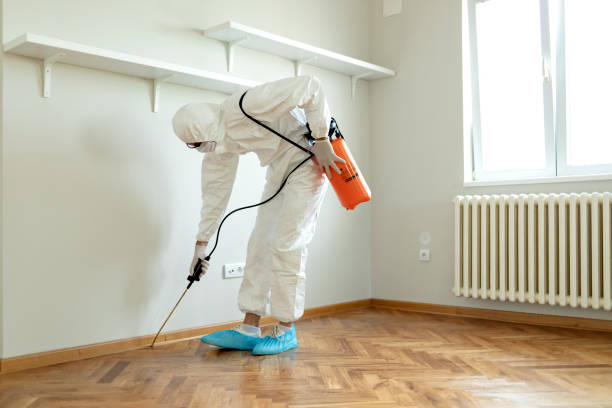
Pests often enter homes through small cracks, gaps, and openings that can be easily overlooked. Proper sealing and caulking techniques act as a first line of defense against these intrusions by eliminating the entry points pests use to invade your living space. Here is a comprehensive guide to effectively seal your home and reduce the risk of pest infestations.
Why Sealing and Caulking Are Essential
- Prevention of Pest Entry: Stops pests like ants, cockroaches, rodents, and spiders from accessing your home.
- Energy Efficiency: Sealing gaps improves insulation by reducing airflow, contributing to lower energy bills.
- Moisture Management: Prevents water seepage that can lead to mold growth or create ideal environments for pests.
Identifying Areas That Need Attention
- Gaps around window frames or under exterior doors are common entry points for pests.
- Look for worn-out weather stripping or poorly aligned door sweeps.
- Check areas where pipes or cables enter the home (e.g., under sinks or near HVAC systems).
- Seal gaps around dryer vents and exhaust fans.
- Inspect your home’s foundation for cracks along walls, floors, or joints.
- Pay attention to areas near basements or crawl spaces.
- Examine soffits, eaves, chimneys, and roof vents.
- Ensure there are no open spaces that could allow larger pests like squirrels or birds.
- Look for light seeping through walls in attics or basements; these often indicate gaps that need sealing.
Tools and Materials Needed
| Tool/Material | Purpose | Notes |
| Silicone Caulk | Fills small cracks/gaps | Ideal for outdoor applications |
| Acrylic Latex Caulk | Interior use around windows/doors | Paintable after application |
| Expanding Foam Sealant | Fills larger voids (e.g., plumbing holes) | Ensure it’s pest-resistant |
| Weather Stripping | For doors/windows with moving parts | Adhesive-backed options available |
| Putty Knife | Smoothens caulk application | Helps achieve a clean finish |
Step-by-Step Guide for Sealing
- Clean the Surface: Remove dirt, old caulk remnants, grease, or debris from the area using a scraper or brush.
- Measure the Gap Size: Use silicone caulk for smaller gaps (less than 1/4 inch) and expanding foam sealant for larger openings.
- Apply Caulk: Slowly squeeze the caulk gun trigger while moving along the gap’s edge in a steady motion.
- Smooth Out the Bead: Using a putty knife (or wet finger), flatten and smooth out any excess caulk before it dries.
- Inspect Your Work: After curing (24 hours typically), check if all crevices are sealed adequately; reapply if necessary.
Maintenance Tips
- Regularly inspect areas prone to wear-and-tear such as door sweeps and window seals.
- Reapply weather stripping every 2–3 years if signs of deterioration appear.
- Keep outdoor areas clean by trimming vegetation close to walls since overgrown plants can compromise sealed surfaces.
By investing effort in comprehensive sealing techniques combined with routine maintenance practices outlined above, homeowners can prevent many pest-related headaches while maintaining a secure indoor environment free from unwelcome visitors.
Outdoor Strategies to Minimize Pest Presence Around Your Home
Implementing outdoor strategies is crucial for reducing pest presence and preventing them from entering your home. The exterior environment around your home can often serve as a haven for pests, providing them with shelter, food, and breeding grounds. By maintaining and modifying your outdoor space, you can effectively discourage pests from settling near your property.
Maintain Your Yard
- Regularly mow the lawn: Tall grass creates an ideal habitat for insects like ticks and mosquitoes.
- Trim bushes and trees: Ensure that branches are not touching your house, as they act as bridges for pests like ants, rodents, or spiders.
- Clear debris: Remove leaf piles, fallen branches, and other debris that can harbor pests such as termites or rodents.
Eliminate Standing Water
- Empty unused containers like buckets or wheelbarrows where water may collect.
- Clean gutters regularly to prevent clogs that lead to standing water.
- Fix leaky outdoor faucets or pipes.
- Ensure proper drainage in areas prone to pooling water.
Manage Waste Properly
| Waste Management Tips | Benefits |
| Use sealed trash bins | Limits odors that attract pests |
| Take out garbage regularly | Prevents overflow that becomes a food source |
| Compost responsibly | Keep compost bins far from the house |
Install Outdoor Barriers
- Use gravel or stone mulch instead of wood chips near foundations to deter termites.
- Install mesh screens over vents or gaps in siding to block pest access.
- Utilize motion-sensor lights at night to discourage nocturnal pests like raccoons or skunks.
Choose Pest-Repelling Plants
- Marigolds: Repel aphids and mosquitoes.
- Lavender: Discourages moths, fleas, flies, and mosquitoes.
- Mint: Effective against ants and spiders (but plant in pots to prevent spreading).
Store Firewood Properly
Improper firewood storage attracts termites, carpenter ants, and other wood-boring insects. Keep firewood at least 20 feet away from your home and store it off the ground using a rack.
By implementing these outdoor strategies proactively, you create an environment that is less attractive to pests while protecting both the exterior surroundings of your property and its interior spaces.
Benefits of Hiring Professional Services for Long-Term Pest Control
Professional pest control services provide an effective and reliable solution for managing pests, especially when dealing with persistent infestations or implementing long-term prevention strategies. While DIY methods can work in some cases, there are several benefits to hiring trained experts to handle pest-related issues.
Expertise and Knowledge
- Accurately identify pests and assess the severity of infestation.
- Recommend customized solutions based on specific pest species.
- Provide guidance on preventative measures to avoid future problems.
Their expertise ensures treatments are efficient and targeted, reducing the risk of recurring infestations.
Access to Advanced Tools and Products
| Tool/Product | Purpose |
| Industrial-grade pesticides | More effective formulations designed for long-lasting results. |
| Traps and baits | Effective systems for capturing or eliminating pests in a controlled manner. |
| Thermal imaging devices | Identifies hidden pest activity within walls or other hard-to-reach areas. |
The use of advanced tools ensures thorough pest management while minimizing potential harm to residents or pets.
Time Efficiency
- Quickly diagnosing the problem during inspections.
- Applying proven treatments that yield faster results.
- Scheduling follow-ups as necessary without disrupting daily routines.
This saves homeowners significant time and effort compared to trial-and-error approaches.
Long-Term Cost Savings
- Avoiding structural damage caused by termites, rodents, or other destructive pests.
- Preventing health risks linked to pests such as cockroaches or mosquitoes.
- Reducing the need for repeated treatments through comprehensive preventive planning.
By resolving infestations at their source and implementing preventative measures, professionals help homeowners avoid costly repairs down the road.
Environmentally Responsible Solutions
- Utilization of organic pesticides derived from natural ingredients.
- Incorporation of Integrated Pest Management (IPM) techniques focused on minimizing pesticide use.
- Recommendations for environmentally sustainable practices around the home (e.g., natural deterrents).
This approach is particularly beneficial for households with children, pets, or individuals sensitive to chemicals.
Peace of Mind
Hiring professionals eliminates much of the stress associated with tackling pest problems alone. Knowing that experts are handling the issue allows homeowners to feel confident their property is protected against future infestations.
When considering long-term pest management solutions, professional services provide unmatched advantages in terms of expertise, efficiency, cost-effectiveness, environmental responsibility, and overall peace of mind—making them an invaluable resource for maintaining a healthy home environment over time.
- Effective Solutions for Household Pests with an Exterminator Deltona FL
- Effective Deltona Pest Control: 4 Expert Tips for Preventing Flies in Your Home or Business
- How Deltona Pest Control Can Improve Your Home’s Pest Prevention Practices
- Effective Deltona Pest Control Tips to Get Rid of House Fly Infestations
- Effective Deltona Pest Control Solutions and Why DIY Methods Fall Short
- Effective Solutions: When to Call Deltona Pest Control Services
- Effective Deltona Pest Control for Tackling Common Household Pests
- How to Prevent Bed Bugs With Help From an Exterminator Deltona FL