
Household pests are a common issue that can affect the health, safety, and comfort of your living space. Understanding which pests are most likely to invade your home and how to address them effectively is essential for maintaining a pest-free environment. Below, we break down the top 10 most common household pests and provide actionable steps for managing each.
1. Ants
Ants are one of the most persistent household pests. They often invade in search of food or water, forming long trails that can be difficult to eliminate.
How to address ants: – Seal entry points: Inspect windows, doors, and foundation cracks for small openings. – Remove food sources: Keep counters clean and store food in airtight containers. – Use bait traps: Ant baits can be an effective way to eliminate entire colonies. – Consider professional pest control if infestations persist.
2. Cockroaches
Cockroaches are nocturnal pests that thrive in dark, damp areas such as kitchens and bathrooms. They carry bacteria that can contaminate surfaces and food.
How to address cockroaches: – Keep areas clean and free of crumbs or grease. – Fix leaks promptly to eliminate water sources. – Use gel baits or sticky traps near hiding spots. – Apply insect growth regulators (IGRs) to disrupt their reproductive cycle.
3. Rodents (Mice & Rats)
Rodents chew through wires, furniture, and packaging materials while also spreading diseases such as Hantavirus or Salmonella.
How to address rodents: – Block holes larger than a quarter-inch with steel wool or caulk. – Set snap traps near active areas like baseboards or pantries. – Store pet food securely at night. – Seek professional extermination for severe infestations.
| Rodent Signs | What To Watch For |
| Droppings | Small pellet-shaped waste |
| Gnaw marks | Damage on wood or wires |
| Scratching noises | In walls or ceilings |
4. Termites
Termites cause significant structural damage by feeding on wood within walls, floors, and furniture.
How to address termites: – Regularly inspect wooden structures for signs of damage or mud tubes. – Reduce moisture around your home by repairing leaks and ensuring proper drainage. – Use bait systems designed specifically for termites around your property perimeter.
5. Flies
Flies not only irritate but also spread bacteria onto surfaces they land on, including E.coli and Salmonella.
How to address flies: – Dispose of garbage properly in sealed bins. – Install fly screens on windows and doors. – Use UV light traps indoors if necessary.
6. Spiders
While most spiders are harmless, some species like black widows or brown recluses pose a venomous threat if disturbed.
How to address spiders: – Declutter areas where spiders may build their webs (e.g., garages). – Vacuum webs regularly using a hose attachment. – Apply insecticides in corners where activity is frequent.
7. Bed Bugs
Bed bugs hide in mattresses, furniture crevices, or clothing seams while feeding on blood during nighttime hours.
How to address bed bugs: 1. Wash infested bedding at high temperatures (120°F+). 2. Use mattress encasements designed for bed bug prevention. 3. Employ heat treatments via professionals if outbreaks spread widely across rooms.
8. Mosquitoes
Mosquitoes multiply quickly in standing water outdoors but also become indoor nuisances through open windows without screens installed beforehand .
Prevention Tips: * Empty stagnant items like bird baths weekly
Effective Deltona Pest Control Methods for a Pest-Free Home
Dealing with household pests can be a challenging task, but adopting the right methods can make it manageable and effective. An efficient pest control strategy involves a combination of identification, prevention, targeted treatment, and maintenance. This guide provides actionable methods to eliminate pests efficiently while maintaining a safe living environment.
Step 1: Identify the Pest Problem with a Deltona FL Pest Control Company
| Pest Type | Common Signs |
| Cockroaches | Droppings, egg casings, musty smell |
| Rodents (mice/rats) | Gnaw marks, droppings, scratching noises |
| Ants | Trails near food or water sources |
| Termites | Hollow wood, mud tubes on walls |
| Bed Bugs | Small red bites on skin, rust-colored spots on bedding |
Step 2: Implement Preventive Measures for Pest Removal Deltona FL
- Seal Entry Points: Inspect windows, doors, and walls for gaps or cracks and seal them using caulk or weather stripping.
- Maintain Cleanliness: Regularly clean surfaces to eliminate crumbs or spills that attract pests.
- Store Food Properly: Use airtight containers for storing food items to reduce accessibility for pests.
- Eliminate Standing Water: Address leaks and avoid leaving water in sinks or buckets as it attracts insects like mosquitoes.
Step 3: Use Targeted Treatment Approaches
Chemical Options
- Insecticides: Effective for eliminating bugs like ants or cockroaches; use sprays or bait traps.
- Rodenticides: Suitable for rodents but should be handled carefully due to potential toxicity.
Non-Chemical Options
- Traps: Snap traps or glue traps work well for rodents without introducing harmful chemicals into your home.
- Diatomaceous earth to control crawling insects like roaches.
- Essential oils such as peppermint oil can repel spiders and ants.
Professional Services
If DIY measures fail to resolve severe infestations (e.g., termites or bed bugs), hiring professional exterminators ensures effective elimination using specialized tools and expertise.
Step 4: Maintain Long-Term Control Measures
- Schedule periodic inspections of structural areas prone to pest activity (e.g., basements or attics).
- Continue practicing good hygiene—regular vacuuming and decluttering go a long way in deterring pests.
- Monitor moisture levels around your home by fixing leaky pipes or improving ventilation in damp spaces.
By combining these methods thoughtfully, homeowners can tackle infestations efficiently while ensuring minimal disruption to their daily lives. Always prioritize safe practices when handling chemicals by reading product labels thoroughly and keeping substances out of reach of children or pets.
Understanding the Best Methods for Eliminating Household Pests Efficiently
When pests invade a home, they not only become a nuisance but can also pose health risks and cause property damage. Adopting effective pest elimination methods is essential to maintaining a safe and comfortable living environment. Below, we explore some of the most efficient strategies for dealing with household pests while minimizing disruption and ensuring long-term prevention.
1. Identify the Pest Type
- Rodents (e.g., rats, mice)
Known for chewing through wires, furniture, and other materials. - Insects (e.g., ants, cockroaches, termites)
Often contaminate food supplies and spread bacteria or allergens. - Bed bugs
Infamous for bites that cause irritation and sleepless nights. - Mosquitoes
Capable of transmitting diseases like dengue or malaria.
2. Leverage Integrated Pest Management (IPM)
- Inspection and Monitoring: Regularly inspect your home to detect early signs of infestation.
- Exclusion Measures: Seal cracks, gaps, or holes in walls, doors, windows, and foundations.
- Sanitation Practices: Keep your space clean by eliminating food crumbs and stagnant water.
- Safe Chemical Use: Apply pesticides only when necessary and choose low-toxicity options.
| IPM Component | Examples |
| Inspection | Checking under sinks or in basements |
| Exclusion | Installing door sweeps |
| Sanitation | Emptying garbage bins regularly |
| Safe Chemical Use | Using targeted baits instead of sprays |
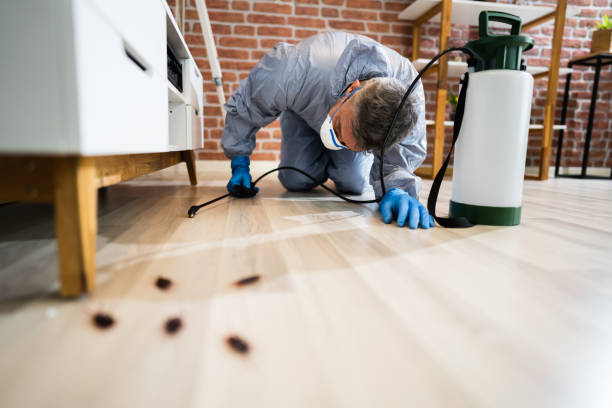
3. Natural Remedies vs Professional Help
Depending on the severity of the issue, you may opt for DIY methods or hire professional exterminators.
Natural Remedies:
These solutions are cost-effective and eco-friendly but may work better on smaller infestations: – Sprinkle diatomaceous earth around affected areas to deter insects. – Use essential oils like peppermint or tea tree oil to repel pests such as spiders or ants. – Set up traps (e.g., sticky traps for cockroaches) to monitor activity levels.
Professional Services:
If an infestation is widespread or dangerous (e.g., termites damaging structural wood), professional assistance is often necessary: – Experts conduct thorough inspections to locate hidden nests. – They use industry-approved treatments such as fumigation or heat treatments.
4. Long-Term Prevention Tips
To avoid recurring infestations after elimination efforts:
- Store food in airtight containers to minimize access points.
- Repair plumbing leaks promptly to remove water sources attracting pests.
- Maintain landscaping by trimming overgrown plants near windows or doors.
Taking a proactive approach in combining identification techniques with effective treatment methods ensures efficient pest elimination while safeguarding your home from future invasions.
How to Identify and Manage Dangerous Household Pests Before They Spread
Household pests can be more than just a nuisance; some pose significant risks to your health, safety, and property. Identifying these dangerous pests early and managing them effectively can save you from costly repairs and potential health hazards. Here’s how you can identify some of the most common dangerous household pests and implement control strategies.
Common Dangerous Household Pests
- Risks: Cockroaches spread bacteria such as Salmonella and E. coli, contaminate food sources, and trigger allergies or asthma attacks.
- Signs of Infestation: Droppings (small black pellets), egg casings, foul odors, or spotting live roaches near water or food sources.
- Risks: Rodents chew through electrical wiring, causing fire hazards. They also spread diseases like Hantavirus or Leptospirosis through droppings and urine.
- Signs of Infestation: Gnaw marks on furniture or wires, nesting materials (shredded paper/fabric), droppings near food storage areas, or scratching noises inside walls.
- Risks: Termites are notorious for structural damage as they feed on wood within your home’s foundation, walls, or furniture.
- Signs of Infestation: Hollow-sounding wood when tapped, mud tubes along walls/foundations, discarded wings near windowsills.
- Risks: Bed bugs cause skin irritation due to bites and emotional distress from infestations that are difficult to control without professional help.
- Signs of Infestation: Small reddish-brown insects visible on mattresses or sheets, tiny blood spots on bedding after feeding cycles.
- Risks: Some spiders like the Black Widow or Brown Recluse deliver venomous bites that require medical attention.
- Signs of Infestation: Webs in undisturbed corners/areas like basements or attics; occasional spotting of spiders themselves.
Steps for Managing Dangerous Household Pests
- Conduct routine checks in vulnerable areas such as basements, attics, kitchens, foundations, and under sinks.
- Use a flashlight to inspect dark corners where pests may hide.
- Seal cracks/gaps in walls or windows with caulking material.
- Install door sweeps on exterior doors to block entry points.
- Keep countertops free from crumbs and spills.
- Store food in airtight containers.
- Promptly dispose of garbage in sealed bins.
| Pest Type | Control Techniques |
| Cockroaches | Apply bait stations; use boric acid sparingly; call pest professionals if infestation grows severe. |
| Rodents | Set traps along baseboards; use ultrasonic repellents; block all openings larger than 1/4 inch with steel wool/mesh wire |
| Termites | Schedule annual termite inspections by professionals; install bait systems outdoors |
| Bed Bugs | Launder infested bedding at high heat settings; vacuum regularly including crevices around beds/furniture |
| Spiders | Vacuum webs immediately upon sighting them indoors & reduce outdoor clutter |
- For large infestations or dangerous species like termites/venomous spiders that require specialized treatment methods (fumigation), consult licensed pest control experts promptly.
Preventative Measures to Reduce Future Risks
- Eliminate standing water sources around the home since they attract mosquitoes & cockroaches alike.
- Trim overhanging tree branches/shrubs touching exterior surfaces which act as bridges for rodents/insects entering indoors.
The Ultimate Guide to Protecting Your Home from Common Pest Infestations
Pest infestations can disrupt your daily life, damage property, and pose health risks to you and your family. Implementing preventive measures and understanding the best practices for pest control are essential to keeping your home safe and pest-free. This guide outlines practical steps to protect your home against common pest invasions.
Why Prevent Pest Infestations?
Preventing pests is not just about avoiding discomfort; it’s about safeguarding health, property, and peace of mind. Here are key reasons why prevention is important:
– Health Risks: Pests such as rodents, cockroaches, and mosquitoes can spread diseases. For example:
| Pest | Potential Health Risk |
|————–|——————————————-|
| Rodents | Hantavirus, Salmonella |
| Cockroaches | Asthma triggers, bacterial contamination |
| Mosquitoes | Malaria, Dengue fever |
- Property Damage: Termites can destroy wooden structures, while rodents may chew through electrical wiring or insulation.
- Costs: The long-term cost of repairing pest-related damage often exceeds the expense of regular prevention efforts.
Key Prevention Strategies
- Inspect your home for cracks in walls, gaps under doors, and openings around windows or pipes. Use caulk or weatherstripping to seal these areas.
- Install door sweeps on exterior doors to prevent crawling insects like ants from entering.
- Regularly vacuum carpets and upholstery where food crumbs might accumulate.
- Store food in airtight containers to eliminate food sources that attract pests such as ants or pantry moths.
- Dispose of trash promptly in sealed bins.
- Keep compost piles at least 10 feet away from your home to deter rodents and flies.
- Drain any standing water in outdoor areas like buckets or planters that could serve as a breeding ground for mosquitoes.
- Fix leaky faucets or pipes promptly to reduce moisture levels inside the home.
- Regular Inspections:
Schedule routine inspections with a certified pest control professional who can identify vulnerabilities in your home before an infestation occurs.
Common DIY Solutions
While professional assistance is often necessary for severe infestations, some minor issues can be addressed using DIY methods: – Use diatomaceous earth around entry points as a natural deterrent for cockroaches and ants. – Set traps for mice using bait stations designed for indoor use. – Apply essential oils like peppermint oil near windowsills; their strong scent repels spiders and rodents.
When to Call a Professional
If you suspect an active infestation (e.g., visible termite mud tubes or rodent droppings), it’s time to consult an expert immediately: – Professionals provide targeted treatments tailored to specific pests. – They offer long-term solutions through integrated pest management (IPM) techniques that combine prevention with environmentally responsible treatments.
By incorporating these strategies into your routine maintenance plan, you can significantly reduce the risk of future infestations while ensuring a healthier living environment.
- Effective Solutions for Household Pests with an Exterminator Deltona FL
- Effective Deltona Pest Control: 4 Expert Tips for Preventing Flies in Your Home or Business
- How Deltona Pest Control Can Improve Your Home’s Pest Prevention Practices
- Effective Deltona Pest Control Tips to Get Rid of House Fly Infestations
- Effective Deltona Pest Control Solutions and Why DIY Methods Fall Short
- Effective Solutions: When to Call Deltona Pest Control Services
- Effective Deltona Pest Control for Tackling Common Household Pests
- How to Prevent Bed Bugs With Help From an Exterminator Deltona FL